 how-to
Natural Support After Stopping GLP-1: 2026 Guide
Table of Contents
- What Happens When You Stop GLP-1 Medication
- How to Prevent Weight Regain After Stopping Semaglutide
- Foods That Increase GLP-1 Naturally
- Supplements for Weight Maintenance After GLP-1
- Behavioral Changes and Habit Formation for Long-Term Success
- Exercise, Hydration, and Meal Timing Strategies
- Frequently Asked Questions
Last Updated: September 29, 2026
What Happens When You Stop GLP-1 Medication
Natural support after stopping GLP1 begins with understanding that stopping GLP-1 medication reverses the appetite control that made it work. These drugs mimic a gut hormone that slows stomach emptying and signals fullness to the brain. When the drug clears your system, that signal fades. Hunger returns, often within days.
The biology is straightforward, even if the experience isn't.
The Biology of Appetite Return
GLP-1 receptor agonists work by copying a hormone your gut releases after meals. They slow stomach emptying, calm hunger hormones like ghrelin, and boost satiety signals. Your body adjusts to this external supply.
Why Weight Regain Is Common
Weight regain after stopping isn't a willpower failure. It's physiology.
How to Prevent Weight Regain After Stopping Semaglutide
Preventing regain starts weeks before your final dose. The best time to build your maintenance plan is while the medication still helps you.
The Weaning Protocol: Tapering with Medical Guidance
A weaning protocol means slowly lowering your dose instead of stopping cold. This gives your body time to adjust. Work with your prescriber on the pace.
Building Your Maintenance Plan Before Your Last Dose
Start these steps while you still have medication support:
- Track your protein and fiber intake daily
- Lock in a workout routine you'll keep
- Set up a weekly weigh-in and waist check
- Line up follow-up visits with your care team
- Plan meals for your first month off the drug
The goal is a lifestyle intervention that runs on autopilot before the drug leaves your system.
Foods That Increase GLP-1 Naturally
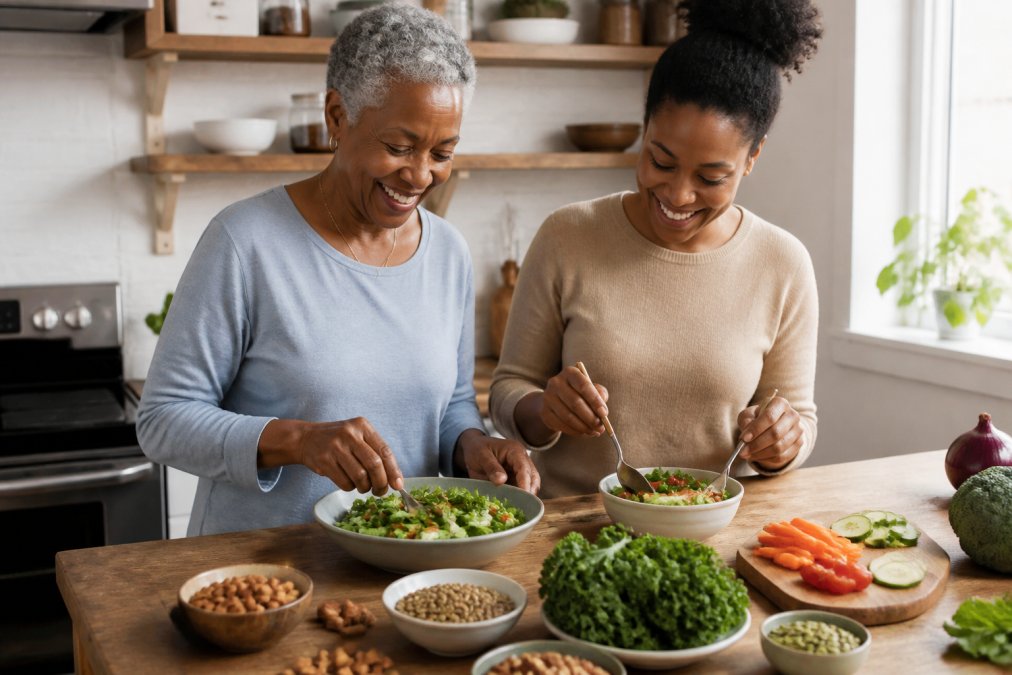
Certain foods nudge your body to release more of its own GLP-1. You can't match a prescription, but you can support the same pathways.
Fiber, Protein, and Healthy Fats: The Satiety Trio
This trio keeps you full and steadies blood glucose regulation.
- Fiber: Lentils, oats, beans, and berries slow digestion and feed gut bacteria.
- Lean protein: Chicken, fish, eggs, and tofu boost fullness and protect muscle.
- Healthy fats: Olive oil, avocado, and nuts slow stomach emptying.
Supplements for Weight Maintenance After GLP-1
Supplements for weight maintenance after GLP-1 are the most hyped and least regulated part of the post-medication conversation. Most articles either ignore them or list ingredients with no context. Here's the deeper picture: what has real evidence behind it, what's marketing, and how to avoid interactions.
What Actually Has Evidence Behind It
A handful of ingredients have meaningful human data for appetite, glucose, or satiety support. Others are sold on mechanism alone.
- Fiber supplements (psyllium, glucomannan, beta-glucan): The strongest case. Soluble fiber slows stomach emptying, feeds gut bacteria, and blunts post-meal glucose spikes. Psyllium is the most studied and cheapest. Start low, a teaspoon, not a scoop, and increase over two weeks to avoid bloating.
- Protein powders (whey, casein, plant blends): Not glamorous, but the most reliable way to hit the 25-40 grams of protein per meal most practitioners recommend for preserving muscle and satiety after GLP-1. Casein digests slowly and tends to keep hunger down longer.
- Berberine: Popular for blood glucose regulation. Small trials show modest effects on fasting glucose and A1C, roughly comparable to lifestyle changes but weaker than metformin. It interacts with many medications, so prescriber review is non-negotiable.
- Green tea catechins and caffeine: Small, real effect on resting energy expenditure, often overstated in marketing. Think of it as a nudge, not a lever.
- Chromium, gymnema, fenugreek, and bitter melon: Mixed or weak evidence. Fenugreek has some satiety data; the rest is mostly mechanistic.
What's Mostly Marketing
- "GLP-1 booster" blends that list a dozen botanicals in a proprietary formula without doses. If the label hides amounts, you can't evaluate the product, and neither can your clinician.
- Detox and "metabolic reset" kits. No mechanism, no data, real risk of electrolyte problems if they include laxatives.
- Mega-dose single ingredients (huge doses of berberine, green tea extract, or bitter orange) sold as shortcuts. Higher dose does not mean better outcome; it usually means more side effects.
The Interaction Problem Nobody Warns You About
This is the gap most articles skip. If you're still tapering or recently stopped a GLP-1, you may also be on blood pressure medication, thyroid medication, antidepressants, or blood thinners. Several common "natural" ingredients interact with those:
- Berberine can amplify blood-sugar-lowering drugs and interact with certain antibiotics and immunosuppressants.
- Gymnema and bitter melon can push glucose too low when combined with diabetes medication.
- St. John's Wort speeds clearance of many prescriptions, including some antidepressants and oral contraceptives.
- High-dose green tea extract has been linked to liver injury in rare cases.
- Grapefruit and grapefruit extract affect how the body breaks down several medications.
How to Read a Label Like a Clinician
- Every ingredient and dose listed. No proprietary blends.
- Third-party testing. Look for USP, NSF Certified for Sport, or ConsumerLab verification. These confirm the bottle contains what the label says.
- A named manufacturer with a contact address. Not a P.O. box in a state you can't verify.
- A serving size that matches the studied dose. If the research used 500 mg and the capsule is 50 mg, you'd need ten pills, and the label knows it.
At N&O LLC, our research-based herbal formulas list every ingredient and dose on the label, so you and your care team can evaluate them the same way you'd evaluate any clinical decision.
Behavioral Changes and Habit Formation for Long-Term Success
Most post-GLP-1 guides treat this as a willpower problem. It isn't. The medication didn't just suppress appetite, it quieted a specific kind of mental chatter, and when that quiet ends, the psychological shift is often harder than the physical one. This section covers what competitors skip: the emotional and neurological side of the transition.
The Return of "Food Noise", and Why It Feels Like Withdrawal
Food noise is the background hum of food thoughts: what's in the fridge, what's for lunch, whether you "deserve" a treat. GLP-1 drugs turn the volume down on that hum for many people. When the drug clears, the hum comes back, sometimes louder than before, because your brain has been operating without it for months.
A common pattern reported by patients and clinicians:
- Weeks 1-2 off the drug: Appetite returns, but food thoughts feel manageable.
- Weeks 3-6: The mental chatter intensifies. Cravings feel sharper and more frequent.
- Months 2-3: Old eating patterns resurface, often without conscious choice. This is where most regain happens.
Emotional Eating: The Triggers That Come Back Online
When food noise was suppressed, many people stopped using food to manage feelings, not because they learned new skills, but because the urge wasn't there. Off the drug, those triggers return with full force:
- Stress and anxiety, the most common driver. Cortisol rises, and the brain reaches for quick calories.
- Boredom, underrated. Many people eat to fill unstructured time, not hunger.
- Late-night loneliness, evening eating is often emotional, not physical.
- Celebrations and social pressure, "just one bite" culture is real, and it compounds.
- Rebound restriction, the opposite failure mode. Some people swing into rigid dieting, then binge. Both extremes feed the same cycle.
Practical Tools That Actually Help
- Name the feeling before you eat. Ask: am I hungry, or am I stressed, bored, or lonely? If it's not hunger, a five-minute delay often dissolves the urge.
- Build a "replacement menu" for each trigger. A walk for stress. A phone call for loneliness. A hobby for boredom. The brain wants a reward, give it a different one.
- Eat on a schedule for the first 60 days. Three meals and one planned snack, whether or not you feel hungry. This retrains appetite signaling and prevents the "I forgot to eat, now I'm ravenous" spiral.
- Track hunger on a 1-10 scale before and after meals. Most people discover they were eating at a 3, not a 7. That gap is where overeating lives.
- Mindful eating, but specific. Put the fork down between bites. Sit at a table. No screens for the first ten minutes of a meal. These aren't platitudes, they slow the pace enough for satiety signals to catch up.
Sleep, Cortisol, and the Hormone Loop Nobody Explains
- Ghrelin rises. You feel hungrier than you should.
- Leptin falls. You feel less full from the same meal.
- Cortisol climbs. The stress hormone pushes the body toward storing fat, especially around the midsection, and increases cravings for high-sugar, high-fat foods.
- Insulin sensitivity drops. The same meal produces a bigger glucose spike.
Habits carry you when motivation fades. Behavioral modification is the difference between a short reset and long-term sustainability, and the psychological work is where most people either win or quietly lose.
Exercise, Hydration, and Meal Timing Strategies
Movement protects the muscle that keeps your metabolic rate up. Aim for a mix of both types.
- Resistance training: Two to three sessions weekly to preserve lean protein stores and muscle
- Aerobic exercise: Brisk walks, cycling, or swimming most days
- Hydration: Water before meals to support satiety
Frequently Asked Questions
What happens to your body when you stop taking GLP-1 medications?
When you stop taking GLP-1 receptor agonists, your appetite often returns within days to weeks. Hunger hormones like ghrelin rise, satiety signals from leptin may weaken, and stomach emptying speeds up. This can lead to increased food noise and cravings. Your metabolic rate may also dip slightly as your body adapts. Without a structured plan, these changes can contribute to weight regain. Working with your doctor to taper gradually and building strong nutrition and lifestyle habits before your last dose helps smooth the transition.
How can I naturally increase GLP-1 levels after stopping medication?
Your body still produces GLP-1 naturally. You can support it by eating fiber-rich foods like oats, beans, and vegetables, which stimulate GLP-1 release. Lean protein at each meal also helps. Regular aerobic exercise and resistance training can improve insulin sensitivity and support satiety hormones. Some research suggests that fermented foods and healthy fats may help. Staying hydrated and managing stress also play a role. These steps won't replicate medication, but they can help your body's own signals work better.
What are the best supplements for metabolic health after weight loss?
Fiber supplements can help with satiety and digestion. Protein powders can help you meet lean protein goals. Always check with your doctor before starting any supplement, especially if you take other medications. N&O LLC offers transparently formulated herbal protocols designed by a doctoral-prepared nurse, but individual needs vary.
How do I prevent weight regain after stopping GLP-1s?
Preventing weight regain starts before your last dose. Work with your doctor on a weaning protocol. Focus on a high-protein, high-fiber diet with plenty of vegetables. Aim for at least 150 minutes of aerobic exercise and two resistance training sessions weekly. Track your food and weight to catch small changes early. Manage stress and sleep. Some people benefit from supplements for weight maintenance after GLP-1. The key is a sustainable lifestyle intervention, not a quick fix.