 ultimate-guide
Why Transparency in Supplements Matters: 2026 Guide
Table of Contents
- What Supplement Transparency Actually Means
- How to Read Supplement Labels for Quality
- Third-Party Supplement Testing Requirements and Certificate of Analysis
- Herbal Supplements vs Daily Multivitamins: Why Transparency Matters More for Botanicals
- Regulatory Gaps and FDA Enforcement Challenges in the Wellness Industry
- The Economic Impact of Transparency: Why It Pays to Be Honest
- Frequently Asked Questions
Last Updated: September 27, 2026
What Supplement Transparency Actually Means
Supplement transparency is the practice of disclosing exactly what goes into a product, where those ingredients come from, how much of each is included, and how the finished batch was tested. This guide from N&O LLC breaks down why transparency in supplements matters, what current rules require, and how to spot the difference between a genuinely open label and marketing theater.
The core problem: "transparency" has become a marketing term. Brands print it on bottles without changing how they source, test, or disclose. The real question is whether the label lets you verify a claim independently.
The Transparency Paradox: More Labels, Less Clarity
More disclosure has not produced more understanding. Labels now carry more certifications, QR codes, and seals than a decade ago, yet most shoppers still cannot answer a basic question: how much of the active herb is actually in this capsule?
Regulations require certain disclosures but permit broad categories, so companies comply technically while obscuring substance. A label can list "herbal blend" and satisfy the letter of the law while telling you almost nothing. Meanwhile, brands doing genuine disclosure often look less impressive on the shelf because they are not stacking badges.
Transparency is not a volume game but a specificity game: one clearly stated dose of a named, standardized extract beats five vague proprietary blends every time.
How to Read Supplement Labels for Quality
Reading a supplement label for quality means checking four things in order: the ingredient form, the dose, the sourcing statement, and the testing documentation. The information that matters is on the back and, increasingly, behind a QR code.
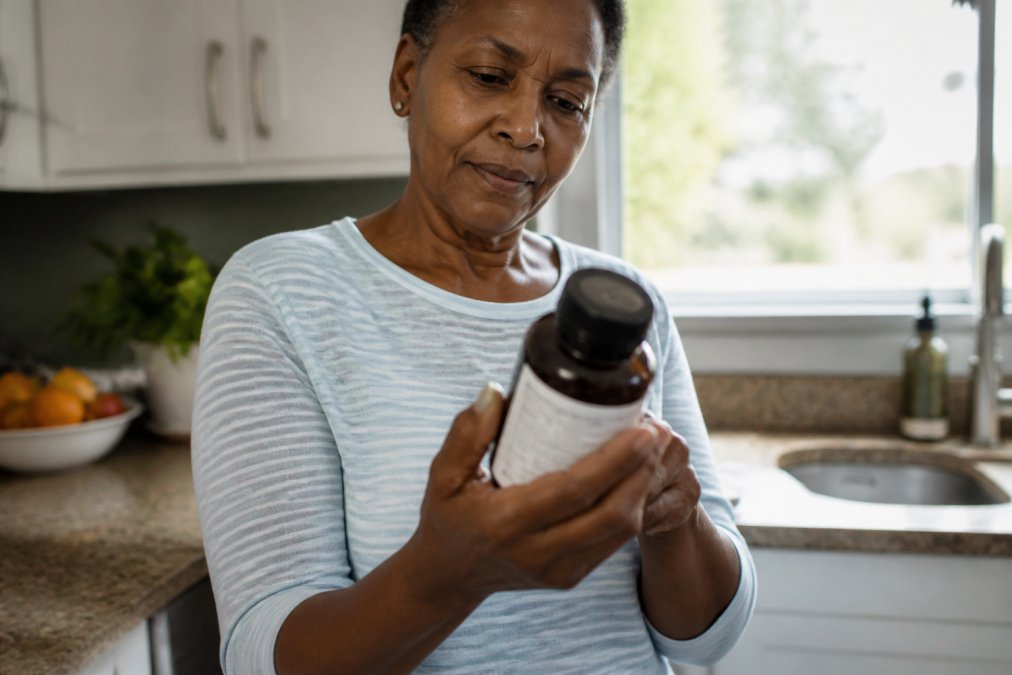
Start with the ingredient form. "Turmeric" tells you little; "standardized turmeric extract" with a stated curcuminoid percentage shows the manufacturer controlled for the active compound. Then check the dose against what research typically uses. A blend listing ten herbs with no individual amounts is a red flag, not a value.
Next, look for a sourcing statement: does the brand name the region or supplier, and mention third-party testing? Finally, scan for a batch number and a path to a certificate of analysis, the lab document reporting what was found in a specific lot.
- Ingredient form: standardized extract vs. raw powder
- Dose: stated per ingredient, not hidden in a blend
- Sourcing: named origin or supplier
- Testing: batch number plus accessible lab results
Label Dressing and Proprietary Blends: What Hides in Plain Sight
Label dressing adds impressive-sounding but functionally irrelevant ingredients so a product looks more complete than it is. A proprietary blend groups ingredients under one total weight so you cannot see how much of each is present. Both are legal. Neither helps you.
A common mistake is assuming a longer ingredient list signals a better product. In practice, the opposite is often true: short, fully disclosed formulas are easier to verify and dose correctly. When a blend hides behind a single number, you cannot know whether the headline herb is present in a meaningful amount or a dusting.
The fix is simple: if a label will not state individual doses, treat the product as unverifiable and move on.
Third-Party Supplement Testing Requirements and Certificate of Analysis
Third-party supplement testing is verification performed by a laboratory with no financial stake in the product passing. A certificate of analysis is the document that lab produces, listing what was tested and what was found. Together they are the closest thing the industry has to a receipt.
In the United States, the Food and Drug Administration regulates supplements as a category of food rather than as drugs, which shapes what testing is mandatory. The agency's own guidance on dietary supplement regulation explains that manufacturers are responsible for ensuring products are safe and accurately labeled, but the FDA does not approve supplements before they reach the market.
Pre-market approval does not exist for this category; post-market enforcement does, but it is resource-limited. Third-party testing fills a gap the regulator cannot cover at scale.
A useful certificate of analysis typically reports:
- Identity testing, confirming the ingredient is what the label claims
- Potency testing, confirming the stated amount is present
- Contaminant screening for heavy metals, microbes, and residual solvents
- Batch or lot number tying the results to your specific bottle
When a brand publishes these documents per batch, you can check them yourself. When a brand mentions "third-party tested" but never shows the paperwork, the claim is unverifiable.
Supply Chain Verification Technologies: Blockchain, QR Codes, and Batch Tracking
Technology has made ingredient traceability more achievable than it was a few years ago. QR codes on packaging now commonly link to batch-specific test results. Some manufacturers use blockchain-style ledgers to record each handoff from raw material supplier to finished goods; others rely on simpler batch tracking that ties a lot number to a documented chain of custody.
None of these tools guarantee quality on their own. A QR code that opens a generic marketing page is theater. The value comes from what sits behind the link: real lab data, tied to a real batch, dated and signed.
For consumers, the practical test is whether the code leads to information specific to your bottle. If it leads to a homepage, that is not traceability.
Herbal Supplements vs Daily Multivitamins: Why Transparency Matters More for Botanicals
Transparency matters more for herbal supplements than for daily multivitamins because botanicals are far harder to verify. A multivitamin's ingredients are typically isolated, stable, and easy to assay. A plant extract varies by species, growing conditions, harvest timing, and extraction method, creating more room for substitution and adulteration.
Adulteration, substituting a cheaper plant or synthetic compound for the labeled ingredient, is a documented problem in the botanical supply chain. Standardized extracts help by defining a measurable marker compound, but they still depend on honest sourcing.
A daily multivitamin with a mislabeled dose is a quality problem. An herbal product with a substituted species is a different category of risk entirely. That is why raw material verification and contaminant screening matter most precisely where the ingredient is a plant.
Regulatory Gaps and FDA Enforcement Challenges in the Wellness Industry
The regulatory framework leaves gaps FDA enforcement cannot fully close. The agency issues warning letters and recalls and maintains a public list of tainted products, but it reviews a market far larger than its inspection capacity, so compliance depends heavily on manufacturer integrity.
The structural reason is the Dietary Supplement Health and Education Act of 1994, which placed supplements in a food category rather than a drug category. That classification created the framework everything else flows from: no pre-market approval, no requirement to prove efficacy before sale, and manufacturer responsibility for safety and labeling under 21 CFR Part 111 current good manufacturing practice rules. New dietary ingredients introduced after October 15, 1994 require a pre-market notification to the FDA at least 75 days before marketing, but the agency only reviews the notification, it does not approve the ingredient.
Enforcement is post-market and resource-limited.
Labeling Loopholes That Let Low-Quality Products Slip Through
Several structural loopholes do most of the damage, and each one is worth naming precisely because each is legal.
The Economic Impact of Transparency: Why It Pays to Be Honest
Honesty has a commercial case, not just an ethical one, but the case is more specific than "trust sells." The economics of transparency operate through three mechanisms: recall cost containment, supply-chain risk pricing, and consumer willingness to pay a premium for verifiable products.
- Are individual doses stated for every active ingredient?
- Is the ingredient form named, including standardization where relevant?
- Is there a batch or lot number on the package?
- Does the brand publish a certificate of analysis for that batch?
- Is the sourcing stated, or at least the supplier verification process?
- Does the QR code lead to batch-specific data rather than a homepage?
Frequently Asked Questions
Are supplement companies required to disclose all ingredients under FDA regulations?
No. The FDA treats dietary supplements like food, not drugs, so companies must list ingredients on the label but do not need FDA approval before selling. Proprietary blends let brands group ingredients under one term without listing individual amounts, which hides how much of each herb you actually get. This is why supplement transparency matters: the label may be technically legal yet still tell you almost nothing about potency or quality.
How can third-party testing verify supplement transparency?
Independent laboratories test raw materials and finished batches for potency, contaminants, and label accuracy. A certificate of analysis (COA) shows what was tested and the results. Reputable brands publish COAs or batch numbers so you can verify claims yourself. Without third-party supplement testing, a label's claims are essentially self-reported, which is why consumer trust in the wellness industry depends on independent verification.
What are the common red flags of low-quality supplement brands?
Watch for proprietary blends that hide ingredient doses, missing batch numbers or COAs, vague sourcing claims like "natural ingredients" with no origin, and certification seals that cannot be verified. Also be wary of herbs that should be standardized extracts but are not labeled as such. These red flags suggest the brand is avoiding accountability, which raises real risks around adulteration and product efficacy.
Why is label accuracy a critical safety issue for herbal supplements?
Herbal supplements are more prone to adulteration than basic vitamins because raw botanicals vary by source and season. If a label claims one herb but the bottle contains another, or if a standardized extract is underdosed, you may get no benefit or unexpected side effects. Label accuracy protects consumers from contaminants and ensures the product matches what was promised, which is central to supplement safety.