 ultimate-guide
Signs of Poor Nerve Wellness in Adults: 7 Warning Signs
Table of Contents
- Early Signs of Nerve Damage: What Adults Should Notice First
- Peripheral Neuropathy Symptoms: How Nerve Pain Shows Up
- How Poor Nerve Wellness Affects Strength, Balance, and Daily Function
- Autonomic Nerve Symptoms and Warning Signs That Need Urgent Care
- Nerve Damage Causes and Risk Factors You Can Address
- Nerve Damage Treatment Options and What to Expect at a Clinical Visit
- Supporting Nerve Wellness: Tracking Symptoms and Daily Habits
- Conclusion
- Frequently Asked Questions
Last Updated: October 20, 2026
Early Signs of Nerve Damage: What Adults Should Notice First
Numbness that appears without warning, tingling that lingers for days, or burning feet at night are the earliest signals that something may be affecting your nerves. Early nerve symptoms are easy to dismiss as "just a phase," but that delay matters: nerve wellness tends to decline gradually before it becomes obvious.
Peripheral neuropathy is damage or dysfunction in the nerves outside the brain and spinal cord. It usually starts in the hands and feet because those nerves are the longest and most exposed to metabolic stress, circulation problems, and toxins. Earliest signs include:
- Numbness in the toes, feet, or fingers that comes and goes
- Tingling or "pins and needles" that doesn't resolve after you change position
- A burning sensation in the soles of the feet, often worse at night
- Sharp, shooting, or stabbing pain that appears without injury
- Sensitivity to touch where light contact feels painful
- Muscle weakness in the hands or legs that makes gripping or climbing stairs harder
- Balance problems or a feeling of unsteadiness when walking
Temporary tingling after sitting on your foot is normal. Tingling that returns every night for weeks is not, don't wait for it to disappear on its own.
Peripheral Neuropathy Symptoms: How Nerve Pain Shows Up
Neuropathic pain typically shows up as burning, electric-shock-like sensations, or pain that feels worse than the injury would suggest. Some adults describe their feet as feeling wrapped in socks when barefoot; others report pain from a bedsheet touching their toes, a condition called allodynia. Describing it accurately helps your clinician localize which nerves are involved.
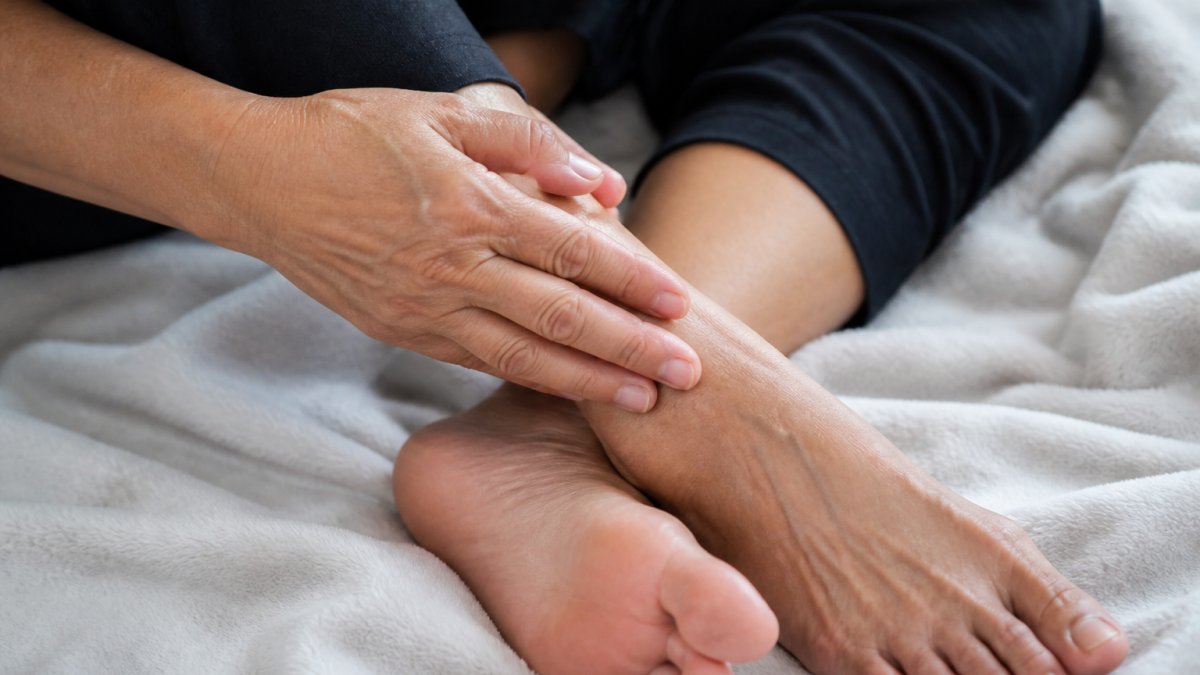
Sensory nerves carry touch, temperature, and pain signals. When they're affected, you may notice:
- Paresthesia: abnormal sensations like tingling or prickling without a physical cause
- Sharp, shooting pain that travels up the leg or arm
- Loss of sensation in the fingertips, making buttons or zippers difficult
- Reduced temperature awareness, so you don't notice a hot surface until it burns
Motor nerves control movement, and their symptoms look different: muscle weakness, cramping, and reduced grip strength. If you're dropping objects or tripping on stairs you used to climb easily, that's a motor signal worth mentioning. The National Institute of Neurological Disorders and Stroke overview of peripheral neuropathy explains these categories in more clinical depth.
How Poor Nerve Wellness Affects Strength, Balance, and Daily Function
Balance problems are one of the most underestimated nerve symptoms. When sensory nerves in your feet can't accurately report where your body is in space, adults with nerve dysfunction often feel unsteady in the dark or on uneven ground. Falls become a real risk, and a single fall can change your independence.
Hand function declines quietly: opening jars, buttoning shirts, and holding a pen start requiring more concentration. Walking difficulty shows up as a wider stance, shuffling, or needing to watch your feet. These changes rarely happen overnight, which is why they're easy to miss.
Autonomic Nerve Symptoms and Warning Signs That Need Urgent Care
Autonomic nerves regulate heart rate, blood pressure, digestion, sweating, bladder function, and sexual function.
Blood pressure and heart rate. The most recognizable autonomic sign is orthostatic hypotension, a drop in blood pressure when you stand up. Adults describe lightheadedness, a brief darkening of vision, or needing to grab something to steady themselves; some faint.
Sweating and temperature regulation. Autonomic nerves control sweat glands and blood flow to the skin. When affected, some adults sweat far less than they should, making heat intolerance more likely; others sweat excessively, especially at night.
Digestion. The gut has its own extensive nerve network, and autonomic dysfunction can slow it down. Common patterns include bloating after small meals, nausea without an obvious cause, constipation that doesn't respond to fiber and fluids, and diarrhea, especially at night.
Bladder and sexual function. Bladder urgency, difficulty starting urination, incomplete emptying, or frequent urinary tract infections can reflect autonomic nerve changes. Erectile dysfunction and reduced sensation are recognized autonomic signs in men; reduced lubrication and arousal changes in women.
What makes autonomic symptoms different. Unlike numbness and tingling in the feet, autonomic signs are internal and easy to rationalize.
When to seek urgent or emergency care. Most autonomic symptoms develop gradually and warrant a routine appointment. A smaller set of signs needs immediate evaluation.
The MedlinePlus guide to peripheral nerve disorders is a practical reference for understanding when to escalate, and the National Institute of Neurological Disorders and Stroke overview of peripheral neuropathy describes how autonomic nerves fit into the broader picture.
Nerve Damage Causes and Risk Factors You Can Address
Nerve damage causes fall into two groups: those you can influence and those you can't. Focus on the ones you can influence.
Addressable risk factors include:
- Blood sugar control: chronically elevated glucose is one of the most common contributors to nerve damage in adults
- Alcohol intake: heavy or long-term use is directly toxic to nerves
- Vitamin deficiencies, particularly B vitamins
- Physical compression from repetitive postures or untreated injuries
- Certain medications that carry nerve-related side effects
Non-modifiable factors include age, family history, and autoimmune conditions. The practical takeaway: if you have diabetes, prediabetes, or a metabolic condition, nerve wellness deserves the same attention you give your blood sugar. CDC information on diabetes and nerve damage outlines why this connection matters so much.
The most preventable contributor to nerve damage in adults is prolonged high blood sugar. Getting metabolic health under control is the highest-use step most people can take for their nerves.
Nerve Damage Treatment Options and What to Expect at a Clinical Visit
Nerve damage treatment options depend on the cause, but the general approach follows a predictable sequence. Most clinicians start with a detailed history: when symptoms began, where they're located, whether they're symmetric or one-sided, what makes them better or worse, and whether autonomic, motor, or sensory features are present. Bring your symptom log, a two-week record of location, severity on a 1-10 scale, and what you were doing when symptoms appeared.
The physical and neurological exam. Expect your clinician to test sensation in your feet and hands, often with a monofilament, a vibrating tuning fork, and a pinprick, along with reflexes, muscle strength, and gait. They may check proprioception with your eyes closed and watch you walk to assess balance. These quick, painless tests localize which nerve types are involved.
Common tests. Blood work usually follows to look for diabetes or prediabetes, vitamin B12 and other deficiencies, thyroid problems, and sometimes autoimmune markers. If the cause isn't clear, or symptoms are severe or progressing, your clinician may refer you for nerve conduction studies and electromyography (EMG), which measure how well electrical signals travel along your nerves and how your muscles respond.
Treatment typically combines several approaches:
- Addressing the underlying cause, glucose control, alcohol reduction, vitamin correction, medication review, or treatment of an autoimmune or thyroid condition
- Medications for neuropathic pain when symptoms interfere with sleep or function; these are prescribed by a clinician and may include certain antidepressants, anticonvulsants, or topical agents
- Physical therapy for balance, strength, and gait training, which directly addresses fall risk
- Foot care to prevent injuries from reduced sensation, including daily inspection and well-fitting shoes
- Nutritional and lifestyle support as an adjunct to medical care, not a replacement for it
Treatment is rarely a single intervention, it's a combination, and the earlier it starts, the more room there is to slow progression. Nerve pain medications often require a trial period and dose adjustment, so a first prescription that doesn't work is not a dead end.
Do not stop or change a prescribed medication on your own, and do not treat supplements as a substitute for the clinical workup. Symptoms alone cannot identify the cause, and the evaluation is what determines which treatment path is appropriate.
Our formulations are designed as adjuncts to that clinical foundation, not replacements for it. Every ingredient and dose is printed on the label so you and your clinician can review exactly what you're taking.
Supporting Nerve Wellness: Tracking Symptoms and Daily Habits
Nerve wellness is a long game, and the adults who do best track their symptoms instead of relying on memory. A simple log works better than a complicated app: record the location of any sensation, its severity on a 1-10 scale, and what you were doing when it appeared.
Daily habits that support nerve function:
- Keep blood sugar steady with consistent meals and movement
- Limit alcohol and check any medication side effects with your pharmacist
- Move daily, prioritizing walking and balance work
- Inspect your feet weekly for cuts, blisters, or color changes
- Take a B-vitamin status check at your next physical
- Protect hands and feet from extreme temperatures
A common mistake is treating supplements as a substitute for these habits. They aren't. The habits come first; targeted support builds on them.
Conclusion
Nerve symptoms rarely announce themselves loudly. They start as a flicker of tingling, a foot that feels slightly numb, a moment of unsteadiness on the stairs. Catching them early separates a manageable course from a progressive one. If any of the signs above sound familiar, start a symptom log and book a clinical visit. Our team formulates research-based herbal protocols for nerve, metabolic, and cellular health, developed by Dr. Paulette Y. Jones, DNP-L, RN, with nearly thirty years of clinical nursing experience. Every formula lists its ingredients and doses in full, and our phased protocols are built to support your body gently over time. Explore the full range and see what fits your health journey.
Frequently Asked Questions
What are the early signs of nerve damage in adults?
Early signs of nerve damage often include tingling or pins-and-needles sensations in the hands and feet, numbness that makes it hard to feel temperature or texture, and burning or shooting pain that comes and goes. Some adults notice clumsiness, dropping objects, or feeling unsteady in the dark. These symptoms may start in the toes or fingers and move inward. If you have persistent numbness, weakness, or pain that disrupts daily activities, see a healthcare provider for an evaluation.
When should you see a doctor about numbness or tingling?
See a doctor if numbness or tingling lasts more than a few days, spreads, or affects your ability to walk, grip objects, or button clothing. Seek urgent care if you have sudden weakness, loss of bladder or bowel control, confusion, or numbness that comes on quickly, as these can signal a serious nerve or spinal issue. For gradual symptoms, track when they occur and what makes them better or worse to help your provider assess nerve function.
What symptoms of nerve damage need urgent medical attention?
Urgent warning signs include sudden weakness or paralysis, loss of sensation over a large area, severe pain that comes on quickly, and problems with bladder or bowel control. Autonomic symptoms such as fainting, a sudden drop in blood pressure, or an irregular heartbeat also need prompt care. If you notice these signs, call emergency services or go to the nearest emergency department. Do not wait for a routine appointment when symptoms are sudden or severe.
What are the treatment options for nerve damage?
Treatment options depend on the cause and may include managing blood sugar if diabetes is present, physical therapy to improve strength and balance, medications for nerve pain, and addressing nutritional deficiencies. Your provider may recommend lifestyle changes such as regular exercise, avoiding excess alcohol, and protecting the feet from injury. For chronic conditions, a combination of medical care and supportive habits offers the best approach. Always discuss new symptoms with your healthcare team before trying supplements or other remedies.