 blog
Natural Weight Management Herbal Protocol: 2026 Guide
Table of Contents
- Herbal Supplements for Metabolic Health: How They Actually Work
- Building Your Natural Weight Management Herbal Protocol
- Personalized Herbal Protocols by Body Type and Metabolic Pattern
- How to Manage Weight Naturally After Weight Loss
- Safety of Herbal Weight Loss Supplements: Interactions, Dosage, and Red Flags
- Sourcing Quality and Sustainability: What to Look For
- Integrating Your Herbal Protocol with Medical Weight Management
- Frequently Asked Questions
Last Updated: September 22, 2026
Herbal Supplements for Metabolic Health: How They Actually Work
A natural weight management herbal protocol is a structured plan that uses specific plant-based supplements, taken at set times, to support metabolism, appetite control, and blood sugar balance alongside diet and movement. The key word is structured. Randomly grabbing a bottle off a shelf is not a protocol.
- Appetite suppression to reduce how much you eat
- Thermogenesis to raise the calories you burn at rest
- Fat oxidation to help the body use stored fat for fuel
- Glycemic control to steady blood sugar and curb cravings
Building Your Natural Weight Management Herbal Protocol
A solid herbal protocol pairs the right herbs with a fixed daily schedule. Timing matters as much as the ingredients, because some herbs work best before meals and others at night.
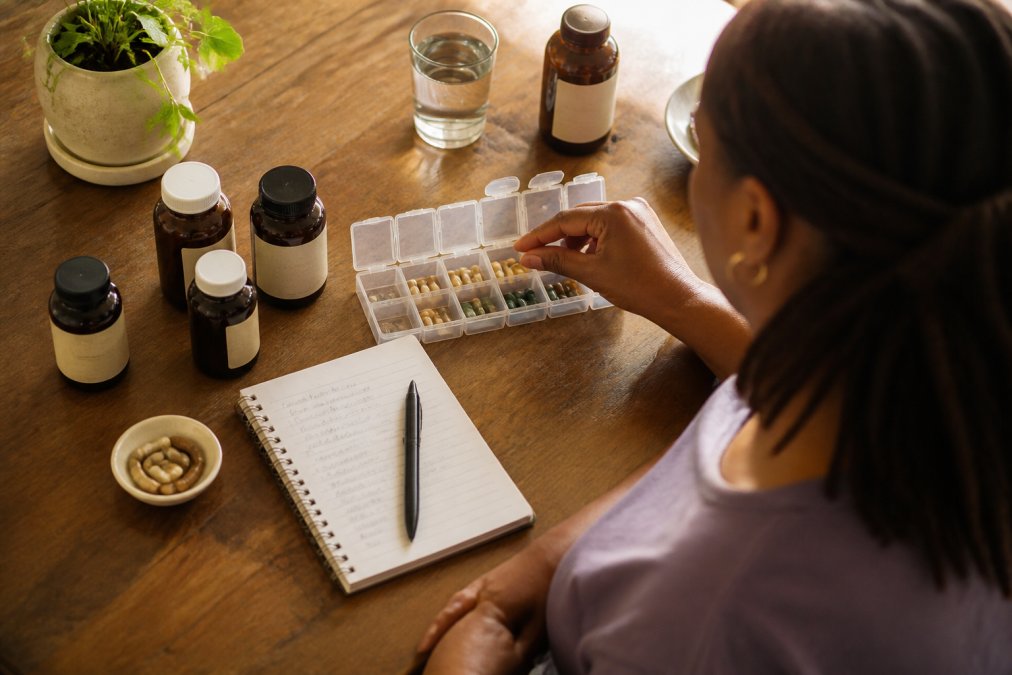
Core Herbs and What Each One Does
- Green tea extract: supports fat oxidation and metabolic rate through polyphenols
- Berberine: studied for insulin sensitivity and glycemic control
- Fenugreek: may support satiety and appetite suppression
- Ginger: aids digestive health and may ease bloating
- Cinnamon: supports blood sugar balance after meals
Sample Daily Schedule
- Morning, with breakfast: green tea extract and berberine
- Midday, before lunch: fenugreek
- Evening, after dinner: ginger and cinnamon
Personalized Herbal Protocols by Body Type and Metabolic Pattern
One formula does not fit everyone. A person with strong cravings and high blood sugar needs a different mix than someone who eats little but still cannot lose weight.
Match your protocol to your pattern:
- Cravings and spikes: focus on berberine and cinnamon for glycemic control
- Slow metabolism: lean on green tea extract for thermogenesis
- Poor digestion and bloating: start with ginger and dietary fiber
- Low energy and stress eating: look at adaptogenic herbs such as ashwagandha
How to Manage Weight Naturally After Weight Loss
Learning how to manage weight naturally after weight loss starts with protecting the metabolic ground you've gained. Coming off GLP-1 medications is a common trigger point, because appetite returns fast.
Three habits carry most of the weight here:
- Keep protein high at every meal to support satiety
- Lift weights twice a week to protect lean mass
- Use herbs to support glycemic control, not to replace meals
Safety of Herbal Weight Loss Supplements: Interactions, Dosage, and Red Flags
The safety of herbal weight loss supplements depends on three things: what you take, how much, and what else is already in your body. Herbs contain active compounds that change enzyme activity, blood sugar, clotting, and blood pressure, which is exactly why they can help, and exactly why they can interfere with prescription drugs.
Drug-Herb Interactions Most Guides Skip
Most articles say "talk to your doctor" and stop there. Here is the specific interaction map worth bringing to that conversation:
- Blood thinners (warfarin, apixaban, rivaroxaban): ginger, cinnamon, fenugreek, and green tea extract can all affect clotting or platelet function. Combining them with an anticoagulant can push bleeding risk up. This is one of the most common reasons a clinician will tell you to stop an herbal protocol before surgery.
- Diabetes medications (metformin, insulin, sulfonylureas): berberine and cinnamon both lower blood glucose. Stacked on top of a prescription, the result can be hypoglycemia, shakiness, sweating, confusion. If you take berberine, your clinician may want to adjust your prescription dose, not just monitor it.
- Blood pressure medications: berberine and green tea extract can both affect blood pressure. On an ACE inhibitor or a beta-blocker, the combined effect is unpredictable.
- Antidepressants (SSRIs, SNRIs, MAOIs): ashwagandha and other adaptogens can interact with serotonin pathways. Serotonin syndrome is rare but serious, and it is a real risk when an herbal sedative-adaptogen is layered onto a prescription antidepressant.
- Stimulants (ADHD medications, decongestants, high-dose caffeine): green tea extract is a mild stimulant. Stacked with a prescription stimulant, it can raise heart rate and blood pressure beyond what either would do alone.
- Thyroid medication (levothyroxine): fiber-heavy herbal blends and some botanicals can reduce absorption if taken at the same time. Separate them by at least four hours.
Dosage: Why "Follow the Label" Is Not Enough
Label doses are starting points, not ceilings or guarantees. Three things shift the right dose for you:
- Standardization: a 500 mg capsule of a standardized extract is not the same as 500 mg of raw powdered herb. Standardized extracts declare a percentage of active compounds; raw powders do not.
- Body weight and liver/kidney function: clearance varies. A dose that is fine for one person can accumulate in another.
- Timing: berberine with food reduces stomach upset. Green tea extract on an empty stomach increases nausea risk. Fenugreek before a meal supports satiety; after a meal, it does less.
Red Flags That Mean Stop
Stop the herb and contact a clinician if you experience:
- Chest pain, palpitations, or a resting heart rate that stays elevated
- Severe stomach upset, persistent diarrhea, or vomiting
- Signs of low blood sugar: shakiness, sweating, confusion, unusual hunger
- Unusual bruising or bleeding, especially on a blood thinner
- Rash, swelling, or difficulty breathing (allergic reaction)
- Yellowing of the eyes or skin, or dark urine (possible liver signal)
Sourcing Quality and Sustainability: What to Look For
Quality is where most herbal protocols quietly fail. A well-designed routine built on weak or adulterated raw material will not deliver, and in the worst case, it delivers something that was never on the label. This is the section most competitor articles skip entirely: they tell you what to take and ignore how to buy it.
The Three Quality Failures That Matter
- Adulteration: a product contains a pharmaceutical drug, a cheaper substitute herb, or a filler not listed on the label. The FDA tainted weight loss product warnings document repeated cases of hidden prescription ingredients in weight-loss supplements.
- Underdosing: the label lists an herb but the actual amount is below the studied range, so the product cannot do what the marketing claims.
- Contamination: heavy metals, pesticides, or microbial load from poorly managed raw material. This is a sourcing problem, not a formulation problem.
How to Verify a Brand Before You Buy
- Full label transparency: every herb and its dose listed in milligrams. "Proprietary blend" is a red flag because it hides amounts. If you cannot see the dose, you cannot judge the product.
- Third-party testing: look for a certificate of analysis (COA) available on request or published on the brand's site. The COA should show identity, potency, and contaminant testing, not just a passing grade on one panel.
- Named testing labs: brands that use recognized independent labs (for example, those following ISO/IEC 17025 accreditation) can show their work. A brand that will not name its lab is asking you to trust a claim.
- Facility standards: look for cGMP (current Good Manufacturing Practice) compliance. This is the FDA's manufacturing standard for dietary supplements, and it covers identity testing, batch records, and labeling.
- Sourcing transparency: named origin for key herbs, country or region, not "imported." Wildcrafted herbs should come from managed, replanted sources; cultivated herbs should name the farm or region where possible.
- Standardized extracts: a standardized extract declares a known percentage of active compounds per dose. That is how you compare one brand's berberine to another's. Raw powdered herb does not give you that comparison.
Sustainability: Why It Is a Quality Issue, Not Just an Ethics Issue
Overharvested herbs vary in potency batch to batch, and adulteration becomes more likely when supply is tight. A brand that can name its growers and its replanting practices is usually a brand that can also name its testing. Ask two questions:
- Is the herb cultivated or wildcrafted, and if wildcrafted, is the harvest managed?
- Does the brand publish a sustainability or sourcing statement, or is "natural" the only claim?
Bioavailability: The Step Most Protocols Skip
A herb your body cannot absorb is expensive powder. Two practical checks:
- Standardized extracts set a known level of active compounds per dose, so you can compare products on a real basis.
- Formulation matters: some compounds are better absorbed with food or with a lipid carrier. If a label does not say how the herb is delivered, assume the default and take it with a meal.
Integrating Your Herbal Protocol with Medical Weight Management
Herbal support works best as part of a care team, not as a solo act. That means telling your doctor exactly what you take, at what dose, and why.
A practical approach:
- Bring your supplement list to every appointment
- Ask about contraindications with your current prescriptions
- Track results for 8-12 weeks before judging whether it works
- Adjust one variable at a time so you know what changed
Frequently Asked Questions
Are herbal weight management supplements regulated by the FDA?
The FDA regulates herbal supplements as dietary supplements under the Dietary Supplement Health and Education Act (DSHEA), not as drugs. That means manufacturers are responsible for safety and labeling accuracy before products reach the market, and the FDA steps in only after a problem is reported. Third-party testing, transparent labels showing exact doses, and a certificate of analysis per batch are the practical ways to judge quality. Always check with your doctor before starting any herbal protocol.
How can botanical protocols support long-term weight maintenance?
Botanical protocols work best as a supporting layer, not a replacement for diet and activity. Herbs such as green tea extract, berberine, and adaptogenic herbs may support thermogenesis, glycemic control, and cravings management, which makes a caloric deficit easier to hold over months rather than weeks. The key is consistency and pairing the herbal protocol with protein, fiber, sleep, and resistance training. If you are coming off a GLP-1 medication, your clinician should guide the transition.
What are the safety considerations when starting an herbal weight management regimen?
Start with one herb at a time so you can tell what helps and what does not. Check for drug-herb interactions, especially if you take blood thinners, diabetes medication, thyroid medication, or immunosuppressants. Watch for adverse effects like digestive upset, jitteriness, or changes in blood sugar, and stop if they appear. Pregnant or breastfeeding women, people with kidney or liver conditions, and anyone on prescription medication should get medical clearance before starting.
Can herbal protocols help with weight loss resistance?
Weight loss resistance often traces back to insulin sensitivity, poor sleep, chronic stress, or a metabolic rate that has adapted to long-term restriction. A structured herbal protocol can address some of these levers: berberine and cinnamon for glycemic control, ashwagandha for stress response, and green tea catechins for fat oxidation. None of these replace the basics. If the scale has not moved in eight to twelve weeks despite a real caloric deficit, ask your doctor to check thyroid, A1C, and medication side effects.